Art that stayed with us
There are certain cultural objects we never fully leave behind.
Not because they were necessarily “great art.”
But because they arrived at the exact emotional moment where we were still learning who we could become.
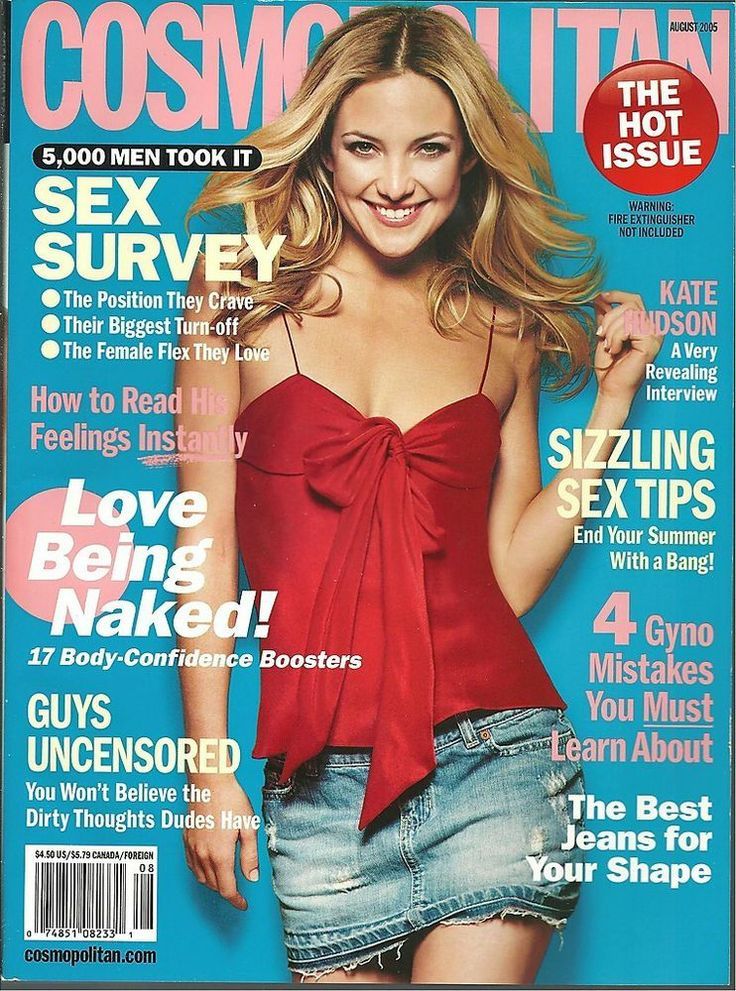
A December 2010 Cosmopolitan issue with Kate Hudson on the cover.
A Nylon Magazine editorial printed and taped onto a bedroom wall.
A Tumblr dashboard filled with blurry Sofia Sanchez Barrenechea interiors and Lana Del Rey lyrics.
A Drake song listened to too young.
The first time someone watched The Devil Wears Prada and realized ambition itself could look aesthetic.
A scene from Skins UK that made teenage loneliness suddenly feel cinematic.
Entire generations were emotionally shaped by cultural fragments that critics would probably never classify as important.
And yet they stayed.
Perhaps because people rarely remember culture intellectually first.
They remember it emotionally.
Looking back, I do not think I loved that Cosmopolitan issue because of beauty advice or celebrity culture.
I think I loved it because it introduced me to possibility.
It suggested that womanhood could be constructed intentionally.
That taste mattered.
That environments mattered.
That references mattered.
That becoming someone was partially an aesthetic process.
The 2000s quietly taught girls that identity itself could be curated.
Through magazines.
Through playlists.
Through bedrooms.
Through perfumes.
Through Tumblr themes.
Through old Vogue Paris editorials.
Through MSN statuses.
Through the girls we admired online before influencers even existed.
Long before “personal branding,” teenage girls were already building emotional identities through cultural consumption.
And perhaps this is why conversations around art and culture matter so much.
Not to prove intelligence.
Not to display sophisticated taste.
But because the things we return to emotionally usually reveal something deeper: a desire, a fantasy, a wound, a projection, or a version of ourselves we still carry quietly.
Some people inherit identities from family structures.
Others inherit them from films, magazines, songs and internet archives.
And maybe that is what culture often becomes: Not entertainment, but emotional architecture.
Read more


For creative people
looking for their tribe